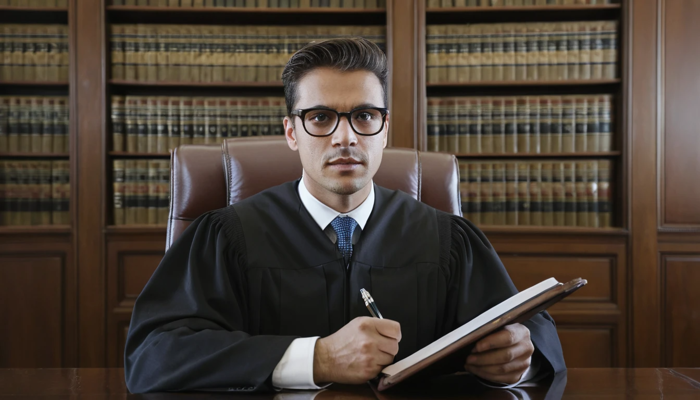
3rd DUI in California penalties, jail time, fines, and defense options explained clearly to help you understand your rights and next steps.
A 3rd DUI in California is a serious offense that can lead to jail time, high fines, license suspension, and mandatory treatment programs. Courts treat repeat offenses strictly, but legal defenses, plea negotiations, and early legal action can reduce penalties and protect your future.
3rd DUI In California: What You Must Know
Could one mistake change your future for years? If you’re facing a third DUI charge in California, the situation feels stressful and uncertain. But understanding the law can help you make smarter decisions.
A third DUI within 10 years is usually charged as a misdemeanor but carries severe penalties. Courts assume repeat offenders pose higher risks, so punishment becomes stronger. Acting early, hiring the right lawyer, and knowing your options can make a huge difference.
Understanding A 3rd DUI Offense 🚔
A third DUI happens when a driver is convicted of three DUI offenses within a 10-year period. California counts prior convictions from other states in many situations. Even a reduced DUI plea may still count toward the total.
Courts review prior DUI records carefully. If the earlier cases occurred close together, prosecutors may push for harsher punishment. Judges often require stricter probation terms to discourage future offenses.
Why California Treats Repeat DUIs Seriously ⚖️
California law focuses heavily on public safety. Repeat DUI cases show a pattern of risky driving behavior. Because of this, lawmakers designed stricter penalties to prevent future incidents.
The goal is not only punishment but also rehabilitation. Courts often order alcohol education, counseling, and monitoring programs. These programs aim to reduce repeat offenses while keeping communities safer.
Legal Penalties For A 3rd DUI 🧾
Penalties increase significantly with a third conviction. Drivers may face long probation terms, heavy fines, and mandatory jail sentences. Courts rarely allow full penalty avoidance without strong legal defense.
Typical punishments include:
- Jail time from 120 days to 1 year
- Fines reaching $3,000+ with penalties
- Long-term license suspension
- Mandatory DUI education programs
- Ignition interlock device installation
Each case differs based on accident involvement and prior record details.
Jail Time Expectations ⛓️
Many drivers worry most about jail time. California law usually requires mandatory minimum jail sentences for a third DUI conviction. Judges sometimes allow alternative sentencing such as work release, depending on the case.
However, accidents involving injuries can increase penalties significantly. Courts may also extend jail time if probation violations exist. Early legal defense sometimes helps reduce or restructure sentencing requirements.
License Suspension Rules 🚗
A third DUI can lead to long-term driver’s license suspension. Drivers may lose full driving privileges for several years. Restricted licenses are sometimes available after meeting certain conditions.
To regain limited driving rights, drivers often must install an ignition interlock device (IID). This device requires a breath test before starting the vehicle. Compliance helps drivers return to work while still meeting court requirements.
Financial Costs Of A Third DUI 💰
The financial impact goes far beyond court fines. Insurance premiums often increase dramatically for several years. Many drivers also pay towing, court processing, and program enrollment fees.
| Expense Type | Typical Cost Range |
| Court Fines & Penalties | $2,000 – $3,500 |
| DUI School Programs | $1,000 – $2,500 |
| Insurance Increases | $3,000+ yearly |
| IID Installation & Maintenance | $70 – $150 monthly |
These expenses can affect finances long after the case ends.
Probation Requirements Explained 📋
Most third DUI convictions include 3–5 years of probation. During probation, drivers must avoid further legal violations. Even small infractions can trigger additional penalties.
Common probation rules include:
- No driving with any alcohol level
- Attendance at DUI education programs
- Compliance with random testing
- Payment of all court fines
Meeting every requirement carefully helps avoid future legal trouble.
DUI School And Treatment Programs 🎓
California requires repeat offenders to attend extended DUI education programs. These programs often last 18 to 30 months. They include classes, counseling sessions, and alcohol awareness training.
Participation is mandatory for license reinstatement. Courts view successful completion as a sign of rehabilitation. Missing classes or failing participation rules can lead to probation violations.
How Prior Convictions Affect Your Case 📑
Earlier DUI convictions strongly influence the third case outcome. Prosecutors review whether previous cases involved accidents, injuries, or high blood alcohol levels. These details often determine sentencing severity.
If prior convictions occurred many years earlier but still fall within the 10-year window, they still count. Drivers sometimes misunderstand this rule and feel surprised when older cases affect current penalties.
Possible Legal Defenses Available 🛡️
A third DUI does not automatically mean conviction. Defense attorneys often examine traffic stops, testing procedures, and officer conduct. Errors in these areas can weaken the prosecution’s case.
Potential defense strategies include:
- Challenging the legality of the traffic stop
- Questioning breathalyzer calibration
- Identifying testing procedure mistakes
- Proving medical conditions affecting results
Strong legal representation can sometimes reduce charges or penalties.
Plea Bargain Options And Case Negotiation 🤝
Many DUI cases end through plea negotiations rather than trials. Prosecutors sometimes agree to reduced sentencing in exchange for guilty pleas. This depends on evidence strength and prior record severity.
Negotiations may lower jail time or adjust probation conditions. However, plea decisions must be evaluated carefully with legal guidance. Accepting an agreement without review may cause long-term consequences.
Steps To Take After A Third DUI Arrest 🚨
Taking the right steps early helps protect your legal position. Immediate action often improves defense outcomes. Waiting too long can reduce available options.
Follow these essential steps:
- Contact a DUI attorney quickly
- Request DMV hearing within deadlines
- Gather evidence and witness details
- Follow all release conditions carefully
Early preparation helps build a stronger defense strategy.
Long-Term Impact On Employment And Life 🧭
A third DUI conviction can affect employment opportunities, housing applications, and professional licensing. Some employers review driving records during hiring processes. Insurance requirements for work vehicles may also become difficult.
However, many people rebuild successfully after completing court requirements. Education programs, responsible driving history, and compliance with probation help restore trust over time.
| Life Area | Possible Impact |
| Employment | Background check concerns |
| Insurance | Higher premiums |
| Professional Licenses | Renewal challenges |
| Travel | Restrictions in some countries |
Understanding these effects helps drivers plan ahead.
How An Ignition Interlock Device Works 🔧
An IID is often mandatory after a third DUI conviction. The device measures breath alcohol before allowing the car to start. If alcohol is detected, the vehicle will not operate.
Drivers must also complete periodic retests while driving. This prevents others from starting the vehicle for them. Consistent compliance shows courts the driver is following rehabilitation requirements.
Preventing Future DUI Charges 🚦
Avoiding another DUI is essential because a fourth offense may become a felony. Planning safe transportation reduces risk. Many drivers use rideshare services or designated drivers after drinking.
Helpful prevention habits include:
- Setting ride plans before events
- Avoiding driving after any alcohol consumption
- Keeping emergency ride contacts saved
- Understanding medication-related impairment risks
Small habits can prevent major legal consequences.
Key Differences Between 1st, 2nd, And 3rd DUI 📊
Penalties increase with each DUI offense. Understanding these differences highlights why the third conviction carries serious consequences. Courts assume repeat offenses show increased risk.
| Offense | Typical Jail Time | License Impact |
| First DUI | Up to 6 months | Short suspension |
| Second DUI | Up to 1 year | Longer suspension |
| Third DUI | 120 days–1 year | Multi-year suspension |
Recognizing escalating penalties emphasizes the importance of early legal defense.
Choosing The Right DUI Lawyer 🧑⚖️
Selecting a skilled DUI attorney can influence the case outcome significantly. Experienced lawyers understand local court procedures and negotiation strategies. They also review technical evidence carefully.
When selecting legal help, consider:
- DUI case experience
- Local court familiarity
- Communication style
- Defense success history
The right representation often reduces stress and improves results.
Conclusion
A 3rd DUI in California carries serious consequences, including jail time, license suspension, high fines, and long probation. Yet, understanding the law and acting quickly can protect your future. Early legal advice, careful compliance, and responsible planning help reduce long-term impact. With the right steps, many drivers successfully move forward after resolving their cases.

FAQs
What Happens After A Third DUI Arrest?
After arrest, the driver faces court proceedings and DMV license actions. Immediate legal consultation is critical. Missing deadlines may worsen penalties.
Can Jail Time Be Reduced For Third DUI?
In some cases, attorneys negotiate alternative sentencing options. Work release or treatment programs may replace part of jail time. Each case depends on evidence and prior record.
How Long Does Third DUI Stay On Record?
California DUI convictions generally remain for 10 years. During this period, they count as prior offenses. Insurance effects may last even longer.
Can I Get A Restricted License After Third DUI?
Yes, restricted licenses may be possible after meeting court requirements. IID installation and program enrollment are often required. Approval depends on compliance.
Is A Third DUI Always A Misdemeanor?
Most third DUI cases are misdemeanors. However, injuries or prior felony DUI history can change charges. Prosecutors evaluate each case individually.